

Fence Materials and Installation Standards Play Key Role in Long-Term Performance
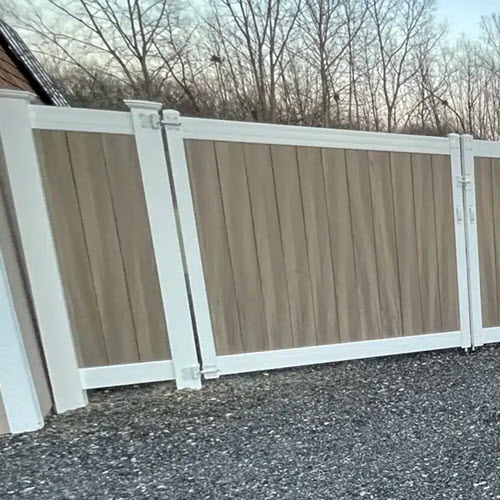
Vinyl privacy fence installed around a residential yard, offering a low-maintenance solution for privacy and property separation.
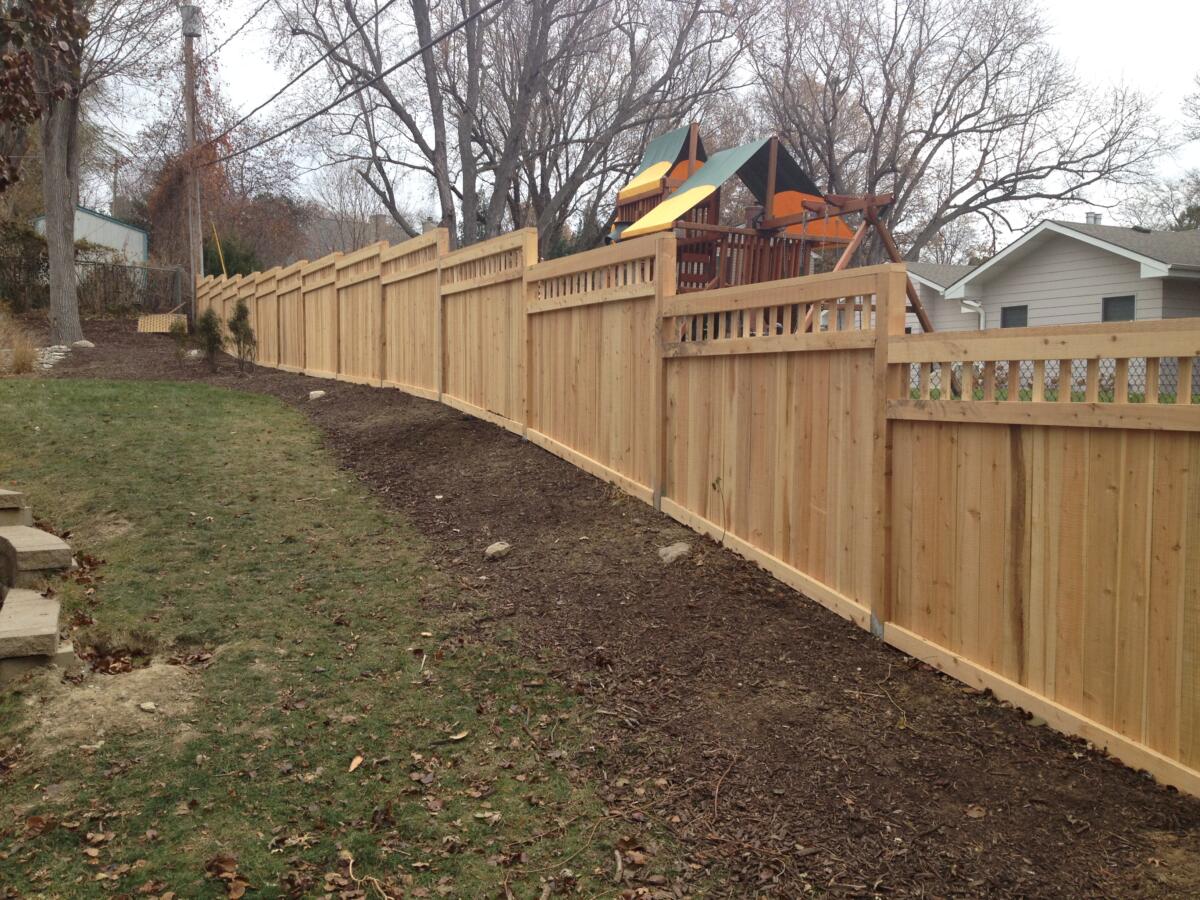
Custom wood privacy fence installed on a sloped residential property, designed to enhance privacy and complement the surrounding landscape.
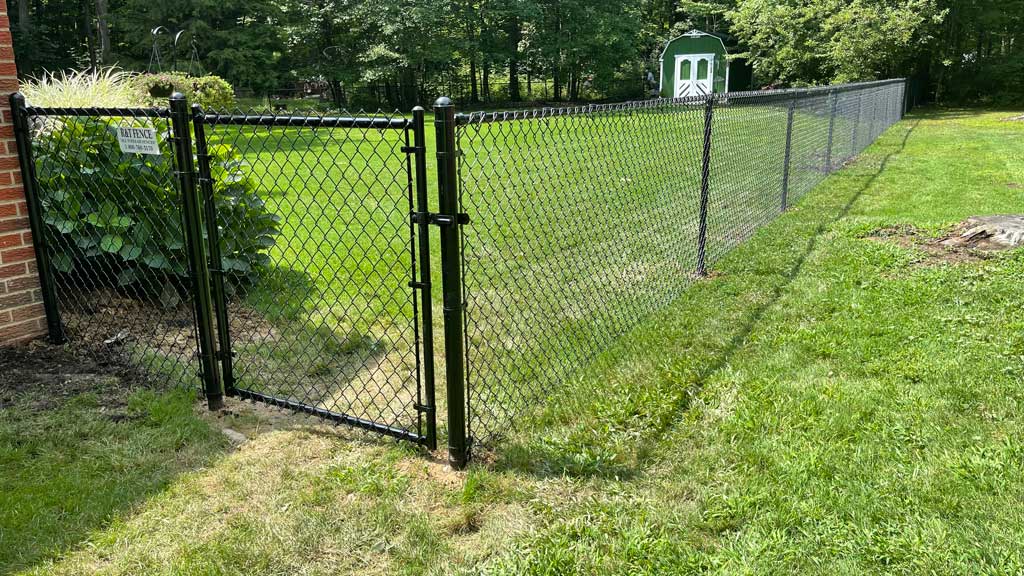
Black chain link fence installed along a residential backyard property line to provide security while maintaining visibility.
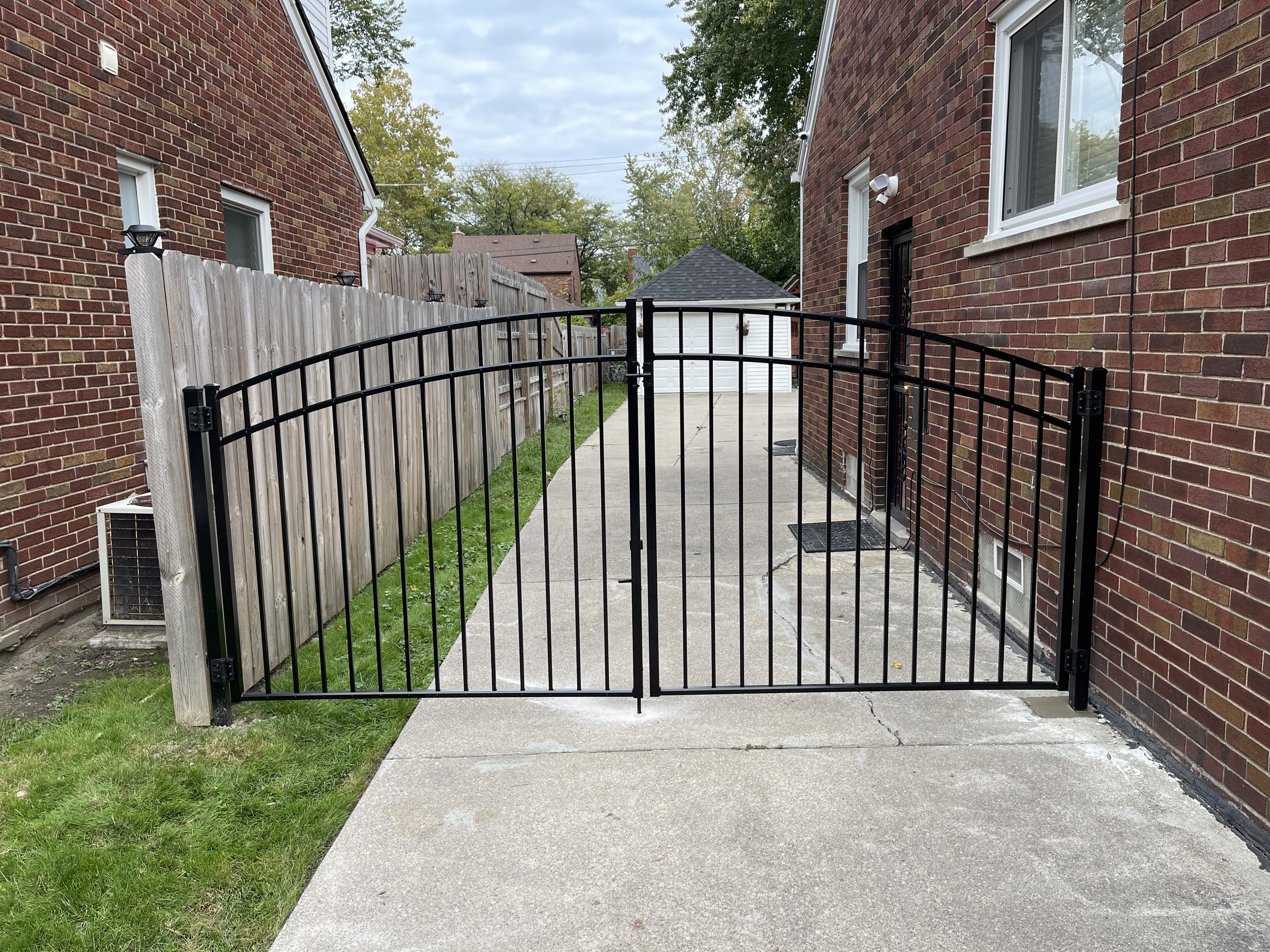
Black metal driveway gate installed between residential structures to control access while maintaining a clean, modern appearance.
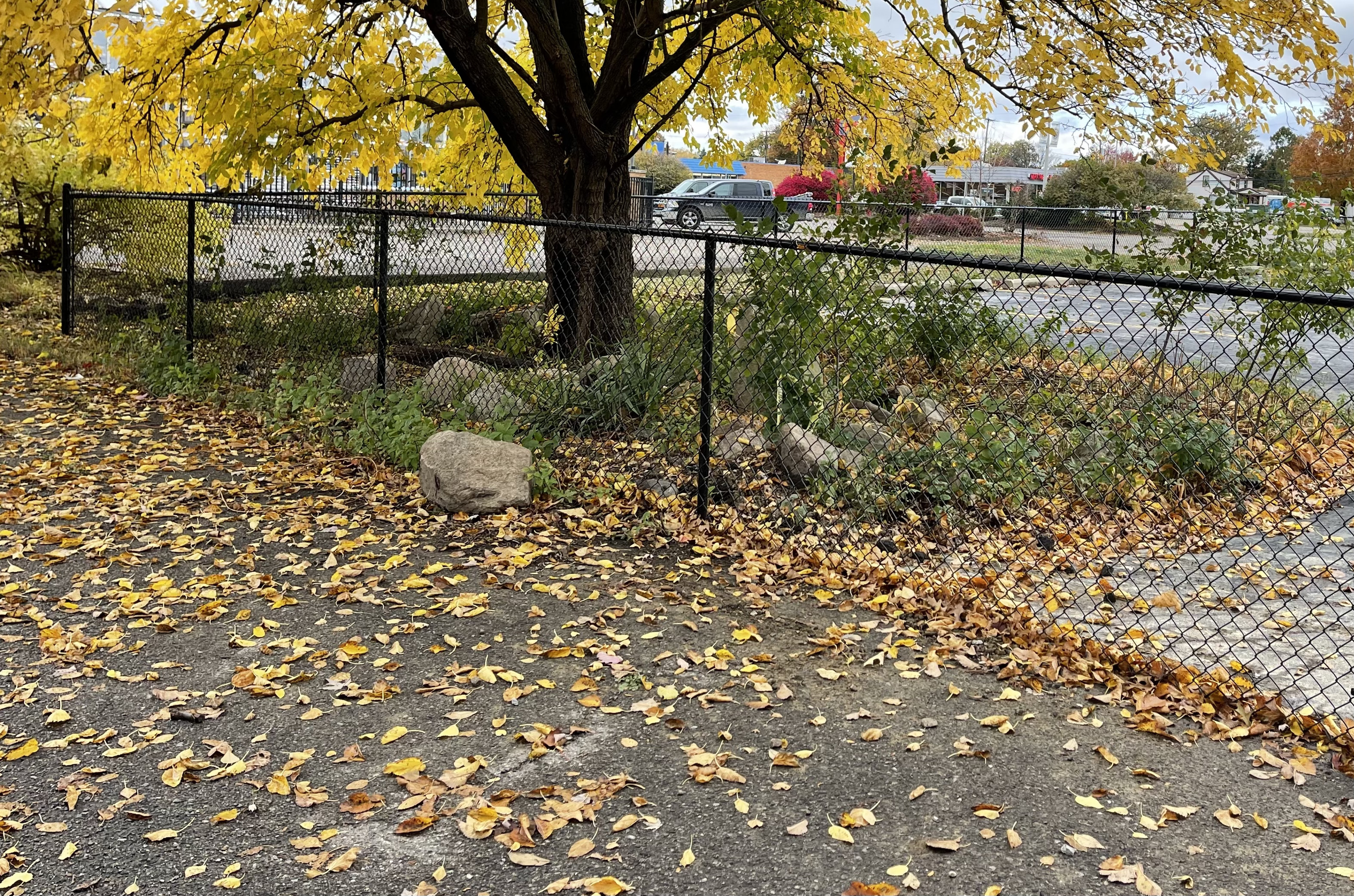
Chain link fence installed along a roadside property boundary to define space and provide durable perimeter protection.
Material selection, installation depth, and local compliance all influence fence durability and long-term residential value.
All Fenced Up, a Michigan-based residential fencing contractor, is working to help homeowners better understand the structural and regulatory considerations that influence fencing performance over time.
While fencing is frequently viewed as a cosmetic or privacy upgrade, contractors note that installation methodology and material compatibility play a significant role in long-term durability.
“Every property presents different conditions,” said Javier Palestino, owner of All Fenced Up. “Soil composition, drainage, climate exposure, and municipal requirements all affect how a fence should be installed to perform correctly.”
Homeowners evaluating fencing installations can choose from a variety of materials, each offering distinct structural and maintenance characteristics. Wood fencing remains a preferred option for privacy and natural aesthetics, while vinyl fencing offers moisture resistance and minimal upkeep. Aluminum fencing provides strength and visibility, commonly used for decorative boundaries and security applications.
Michigan’s seasonal climate introduces additional structural considerations. Freeze-thaw cycles and soil expansion can affect post stability if installation depth and reinforcement are not properly executed.
Professional fencing contractors typically account for these regional variables during site planning, ensuring that installation methods align with environmental demands.
Municipal compliance also remains a critical component of residential fencing projects. Height limitations, setback requirements, and boundary regulations vary between municipalities, requiring homeowners to navigate local ordinances prior to installation.
Understanding these requirements in advance can help prevent project delays, redesign costs, or post-installation adjustments.
All Fenced Up provides residential fencing services that include material consultation, installation planning, and compliance-aware project execution to support homeowners throughout the planning and installation process.
For more information about residential fencing considerations and installation practices, visit https://www.allfencedup.co/fence-company/.
About All Fenced Up
All Fenced Up is a residential fencing contractor serving homeowners throughout Southeast Michigan. The company specializes in professionally installed fencing solutions designed to enhance property security, functionality, and exterior property appeal.
Javier Palestino
All Fenced up
+1 734-977-0554
email us here
Visit us on social media:
Facebook
YouTube
Top Fence Installation in Detroit & Dearborn | All Fenced Up: Vinyl, Privacy & More
Legal Disclaimer:
EIN Presswire provides this news content "as is" without warranty of any kind. We do not accept any responsibility or liability for the accuracy, content, images, videos, licenses, completeness, legality, or reliability of the information contained in this article. If you have any complaints or copyright issues related to this article, kindly contact the author above.
